

Posted by Macron Will
22 Jul, 2026
All You Need to Know About USDT Tether
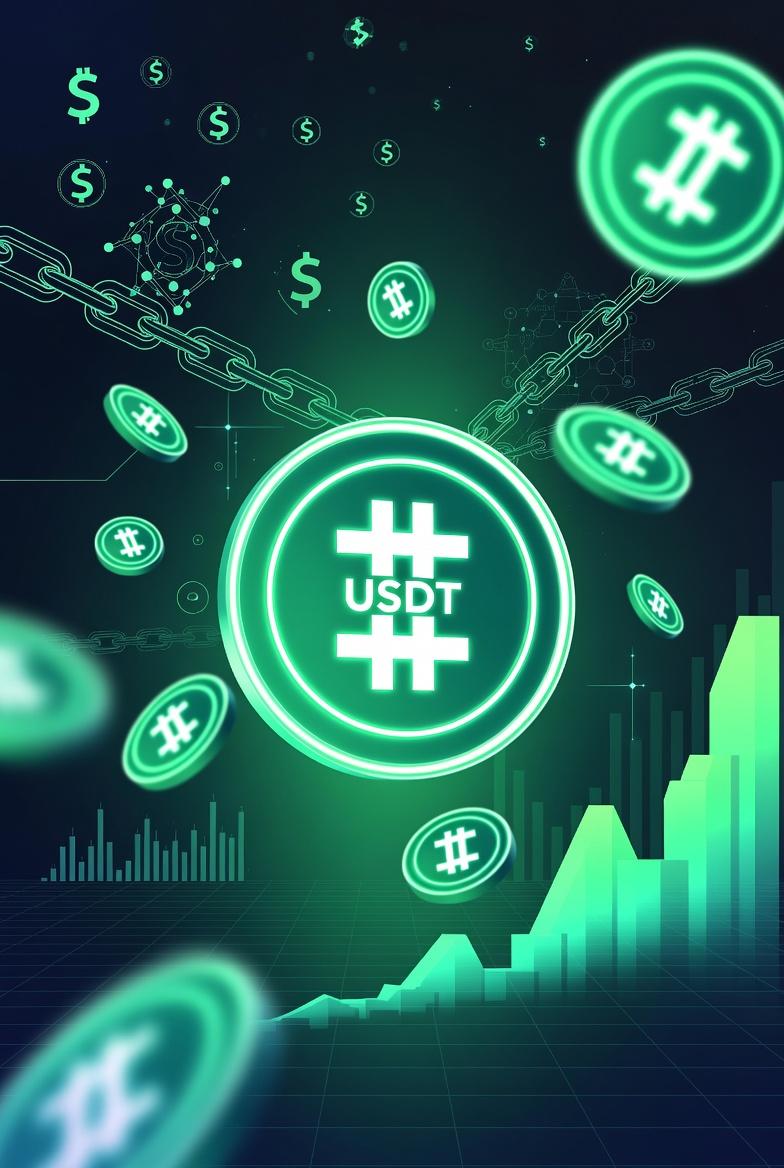
USDT is another name for Tether and is the world’s largest stablecoin, a type of cryptocurrency designed to maintain a stable value pegged 1:1 to the US dollar It was launched in 2014, it pioneered the stablecoin concept and remains the dominant one by market share and trading volume
Key Features
Peg and Backing: One USDT is intended to equal one USD. Tether Limited claims each token is fully backed by reserves (cash, cash equivalents like U.S. Treasuries, and other assets). Reserves are reported to exceed liabilities, with periodic attestations and transparency reports published. This makes it a low-volatility option for trading, hedging, remittances, and DeFi activities, unlike volatile cryptocurrencies like Bitcoin or Ethereum.
Purpose: It provides price stability in the volatile crypto market, acting as a "digital dollar" for trading, hedging, remittances, DeFi, and cross-border transfers without traditional banking.
Multi-Blockchain Support: USDT is issued natively on numerous blockchains, including Ethereum (ERC-20), Tron (TRC-20), Solana, Algorand, Polygon, Avalanche, and others (around 14+ protocols as of recent data). This enables fast, low-cost transfers across ecosystems and broad compatibility with wallets, exchanges, and dApps.
High Liquidity and Adoption: It has massive trading volume (often the highest among cryptos), deep liquidity on exchanges, and integration with merchants, wallets, payment processors, and OTC desks. It's used by hundreds of millions of users worldwide for trading pairs, cross-border payments, and as a "digital dollar.
Market Position (as of mid-2026)
Market Cap: Approximately $184 billion.
Circulating Supply: Around 184 billion USDT.
Total Supply: Roughly 189 billion.
24h Trading Volume: Often $50–60 billion, making it one of the most liquid assets in crypto (frequently ranks #3 by market cap overall).
It dominates the stablecoin market, handling a huge portion of crypto trading volume
Transparency Efforts: Daily reserve and supply data, plus blockchain-level visibility. Tether also reports profits (e.g., significant earnings from U.S. Treasuries and other investments) and has expanded into areas like Bitcoin mining and AI.
Other Variants: Beyond USD₮, Tether offers tokens like EUR₮ (euro), MXN₮ (Mexican peso), and XAU₮ (gold-backed). Initiatives like USDT0 aim for unified supply across chains without bridging
History
Launched in 2014 (originally as Realcoin) by Tether Limited (part of iFinex, which also owns Bitfinex exchange).
Grew rapidly with the rise of crypto trading, especially on exchanges needing a USD proxy.
Expanded to multiple blockchains for broader utility.
Reserves and Transparency
Tether publishes reserve reports showing holdings primarily in U.S. Treasuries, cash equivalents, and some other assets (e.g., gold, Bitcoin in smaller portions). As of recent reports, assets exceed liabilities, with net equity in the billions
Ease of Use and Utility:
Fast, borderless transfers on supported chains (e.g., very low fees on Tron).
Supports arbitrage, lending/borrowing in DeFi, and acting as a bridge between fiat and crypto.
Available for individuals (trading/hedging), merchants (payments), and exchanges (liquidity)
Note on Controversies: USDT has faced significant criticism over its history, including past periods of incomplete 1:1 backing, lack of full audits (using attestations instead), and regulatory fines (e.g., CFTC in 2021 for misleading statements about reserves from 2016–2018; NYAG settlement related to Bitfinex). Transparency has improved with more frequent reporting, but skepticism remains due to its centralized nature and past issues.
Advantages
High liquidity and widespread acceptance.
Fast, cheap transfers (especially on Tron or Solana).
Hedge against volatility or local currency devaluation.
Earn yields in some DeFi protocols
Risks
Counterparty/centralization risk (relies on Tether’s management and reserves).
Potential de-pegging in extreme market stress (though it has recovered quickly in the past).
Regulatory uncertainty in some jurisdictions.
Not FDIC-insured or government-backed.
For the most current data, check official sources like tether.to (transparency page), CoinMarketCap, or CoinGecko.
USDT remains a cornerstone of the crypto ecosystem despite its controversies, powering trillions in cumulative trading volume.
Always do your own research (DYOR) and consider risks before using it.
All You Need to Know About USDT Tether