

Posted by Macron Will
23 Jul, 2026
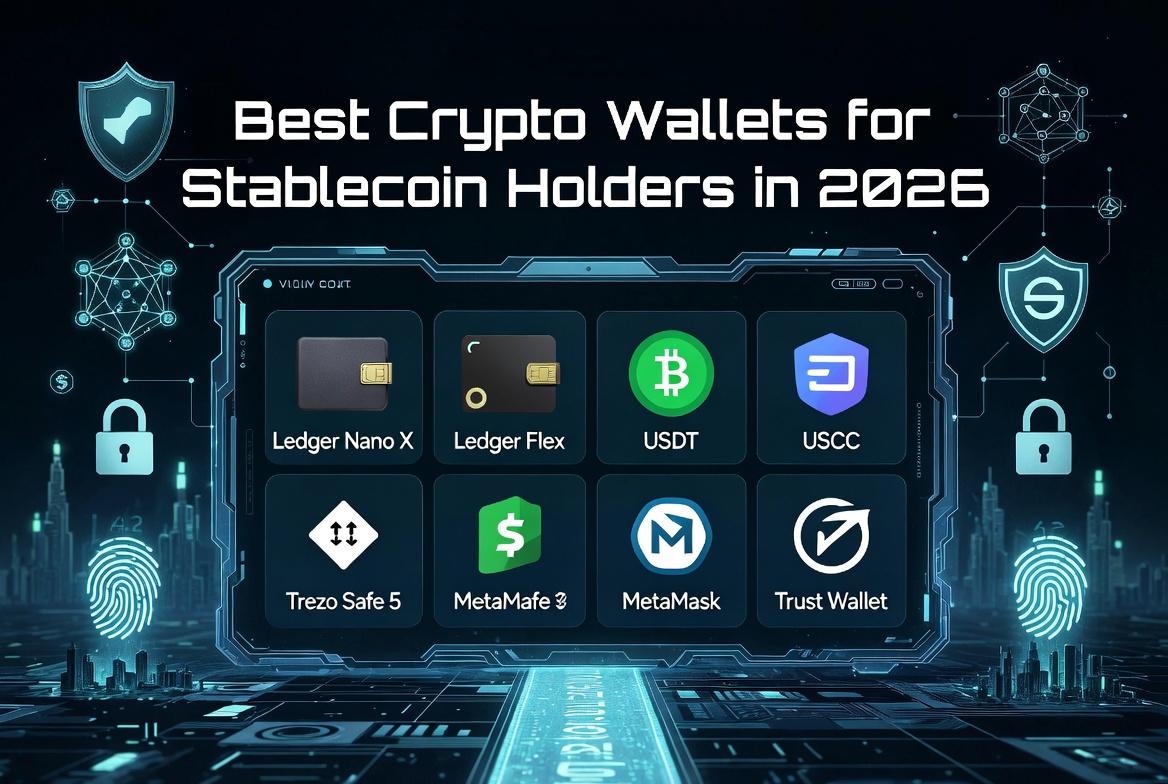
Best Crypto Wallets for Stablecoin Holders
For stablecoin holders (USDT, USDC, DAI, etc.) in 2026, the best wallets balance multi-chain support (especially low-fee networks like Tron and Solana), security, yield opportunities, ease of use, and fees
Stablecoins are primarily used for payments, remittances, DeFi yield, and value storage, so prioritize self-custody ("not your keys, not your coins"), broad chain support, and features like built-in swaps or yield integration. Hardware wallets suit large/long-term holdings; hot wallets (mobile/browser) work better for daily use.
Top Recommendations by Use Case
1. Best Overall / Security-Focused: Zengo (Mobile, Keyless MPC)
Why it stands out: Uses Multi-Party Computation (MPC) — no single seed phrase to lose or steal. Biometric/email recovery, strong track record (no major hacks), and good multi-chain stablecoin support (including USDT on several networks). Excellent for beginners and businesses
Pros: User-friendly, built-in swaps/on-ramps, Web3 firewall against scams, 24/7 support. Tether invested in it.
Cons: Slightly narrower chain support than Trust Wallet.
Ideal for: Everyday holding, remittances, and users wary of seed phrases
2. Best Multi-Chain / Mobile: Trust Wallet
Supports 100+ blockchains, including Tron (key for cheap USDT transfers), Solana, Ethereum/EVM L2s, and BNB Chain. Broad asset support and dApp browser for DeFi.
Pros: Free, mobile-first, strong for USDT TRC-20, staking/DeFi access.
Cons: Yield options more limited (requires dApp routing); seed phrase management needed.
Ideal for: Users active across chains or needing low-fee Tron transfers
3. Best Hardware / Long-Term Cold Storage: Ledger (Nano X, Stax, or Flex) or Tangem
Ledger: Industry standard for offline security. Supports thousands of assets across major chains. Pair with Ledger Live for management. Great for large holdings
Tangem: NFC card-based (very portable), supports 16,000+ assets/90+ chains including stablecoins on Ethereum, Solana, Tron. Yield Mode for Aave integration on supported stablecoins; no traditional seed issues in some setups
Pros (both): Maximum security for savings; offline signing reduces online risks.
Cons: Less convenient for frequent transactions (use with a hot wallet). Cost for hardware.
Ideal for: HODLing significant amounts or as a backup
4. Best for Beginners / USDC Focus: Coinbase Wallet (now often Base App)
Non-custodial, easy fiat on-ramps, strong Base/EVM + Solana support, gas sponsorship on Base for cheap/free transfers. Seamless with Coinbase exchange
Pros: Intuitive, good for new users, USDC rewards potential via exchange link.
Cons: Seed phrase required; some fees higher.
Ideal for: Newcomers or those wanting simple on/off ramps.
5. Best for DeFi / EVM: MetaMask
Dominant for Ethereum and L2s (Base, Arbitrum, etc.). MetaMask Earn for one-tap Aave/Lido yield on stablecoins. Broad dApp integration.
Pros: Plugins/extensions, customizable.
Cons: Weaker on non-EVM (e.g., no native Tron USDT).
Alternatives: Phantom (Solana/USDC focus), Rabby (advanced EVM simulation/safety), OKX Wallet (feature-rich)
Key Factors for Stablecoin Holders in 2026
Chain Support: Tron for cheapest USDT sends; Solana for fast/low-fee USDC; EVM L2s (Base, Arbitrum) for DeFi yield.
Yield: Look for native integrations (Aave, Morpho, etc.) in wallets like MetaMask, Argent, or Tangem Yield Mode. Idle stablecoins can earn 3-10%+ depending on protocol/rates.
Security: Prefer MPC/keyless (Zengo) or hardware for large amounts. Always back up seeds securely if applicable; use 2FA/biometrics.
Fees: Network gas + any swap markups. Some support gas paid in stablecoins or sponsorship.
Hybrid Approach: Hot wallet (e.g., Trust/Zengo) for spending + hardware for cold storage of most funds.
Other notables: Exodus (user-friendly desktop/multi-chain), Phantom (Solana), Safe/Argent (smart accounts for advanced users).
Quick Tips
Start small: Test transfers and recovery with minimal amounts.
Enable yield where possible for idle funds.
Avoid custodial exchange wallets for large holdings due to counterparty risk.
Stay updated: Check official sites/apps for the latest chain/yield support, as the space evolves quickly.
Research current fees, supported networks, and reviews before choosing, and consider your primary needs (mobile vs. security, daily use vs. storage). Always DYOR and never share seeds/private keys.
Best Crypto Wallets for Stablecoin Holde...